
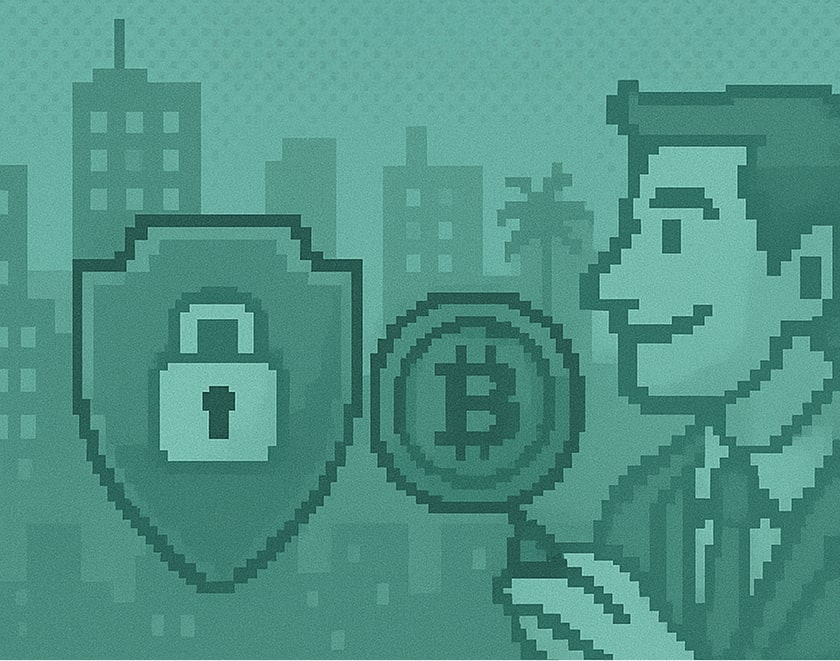
Is Bitcoin Traceable? Understanding Privacy and Transparency

Published on

Updated On

Steven Wong

Key Points

  • Bitcoin is pseudonymous, not anonymous. Wallet addresses hide your name but don’t make you invisible.
  • Transactions live forever on the blockchain, meaning they can be traced years later with advanced tools.
  • Authorities use blockchain analytics and KYC data to connect Bitcoin activity to real-world identities.
  • Privacy tools exist but have limits, and compliance is always a factor for ATM and OTC users.
  • Hermes Bitcoin helps clients navigate this balance — offering secure access to Bitcoin while keeping privacy and regulatory obligations clear.

Wondering if Bitcoin is actually traceable? Well, there are a few nuances you’ll For years, one of the biggest misconceptions in crypto has been that Bitcoin is anonymous. The reality is more nuanced: Bitcoin is pseudonymous. That means while your name isn’t directly tied to a transaction, every action you take is permanently recorded on a public ledger. With the right tools — and often with help from exchanges and KYC records — those pseudonyms can be connected back to real identities.

So, is Bitcoin traceable?

The answer depends on how it’s used. Bitcoin transactions are transparent by design, but the degree of traceability changes with the tools, wallets, and behaviors involved. For everyday users of Bitcoin ATMs, OTC services, and wire transfers, this distinction matters. Traceability affects not only privacy but also compliance and security.

How Bitcoin Transactions Work

Think of the Bitcoin blockchain as the world’s most transparent bank ledger – except instead of being locked in a vault, it’s published online for everyone to see. Every time you send or receive Bitcoin, that blockchain transaction gets recorded permanently with details like the sender’s address, recipient’s address, amount, and timestamp.

Here’s where the pseudonymity comes in: your bitcoin address looks something like “2A3zP1eP7QGefi2DMPTfTLv9xgTrLs4zTJ.”

It’s not exactly your name and social security number, right?

But here’s the catch: once someone connects that address to your real identity, every transaction you’ve ever made with that wallet becomes traceable.

The permanence factor is crucial. Unlike cash transactions that disappear into history, blockchain transactions stick around forever. That Bitcoin you bought three years ago? The blockchain analytics firms can still trace every transaction output from that original purchase to see where your coins ended up.

Understanding what Bitcoin actually is helps explain why this transparency was built into the system – it’s not a bug, it’s a feature designed to prevent double-spending and maintain trust without central authorities.

Key Insight: The permanence factor is crucial. Unlike cash transactions that disappear into history, blockchain transactions stick around forever. That Bitcoin you bought three years ago? The blockchain analytics firms can still trace every transaction output from that original purchase to see where your coins ended up.

Can Bitcoin Be Traced by Authorities?

Absolutely, and they’ve gotten scary good at it.

Just ask the Silk Road operators or the Colonial Pipeline hackers – law enforcement recovered millions in Bitcoin by following the blockchain breadcrumbs.

 Silk Road Case

Darknet marketplace was dismantled after investigators followed wallet addresses through the blockchain.

 Colonial Pipeline

The FBI recovered millions in Bitcoin ransom by tracking blockchain transactions.

The FBI, IRS, and other agencies don’t just rely on luck.

They use sophisticated blockchain analytics tools from companies like Chainalysis, Elliptic, and CipherTrace. These platforms can analyze blockchain transactions, cluster addresses belonging to the same users, and trace money flows across multiple wallets and exchanges.

Chainalysis data has become the gold standard for cryptocurrency investigations. Their software can identify patterns, link addresses to real-world identities, and even predict where certain coins might end up next. When law enforcement agencies present crypto evidence in court, there’s a good chance Chainalysis was involved in the analysis.

The most common way authorities connect your identity to your Bitcoin? KYC (Know Your Customer) exchanges. Every time you buy cryptocurrency with your real name, ID, and bank account, you’re creating a permanent link between your identity and your bitcoin address. From there, blockchain analysis can follow the money wherever it goes.

For Hermes Bitcoin clients, this means understanding that OTC exchanges and traditional exchanges have different reporting requirements, but both maintain records that can be accessed by authorities when needed.

Factors That Make Bitcoin Traceable

Several behaviors make your Bitcoin transactions easier to trace, and most users accidentally do at least one of these:

Reusing Bitcoin Addresses

This is the biggest rookie mistake. Each time you use the same address, you’re creating more data points that analytics firms can use to build your transaction history. It’s like using the same alias everywhere – eventually, someone’s going to connect the dots.

KYC exchanges

These are the primary way your real identity gets linked to your cryptocurrency. When you buy Bitcoin from Coinbase, Kraken, or any regulated exchange, they’re legally required to collect and store your personal information. This creates a permanent record connecting your identity to your bitcoin address.

IP Addresses

IP addresses matter more than people realize. When you broadcast a Bitcoin transaction or sync your wallet, your IP address can be logged by nodes or wallet providers. VPNs help, but they’re not foolproof – especially if you’re not using them consistently.

Social Media & Public Posting

Posting wallet addresses is surprisingly common. People post their addresses for donations, payments, or just to show off their holdings. Once that address is publicly linked to your social media profile, your entire transaction history becomes visible.

Transaction Patterns

These can reveal identity even without direct links. If you consistently send specific amounts at regular intervals, or if your transaction timing correlates with known activities, analytics software can make educated guesses about who you are.

Privacy Tools and Their Limits

Privacy-focused tools exist, but let’s be honest about their limitations. None of them provide bulletproof anonymity, and some carry legal risks you need to understand.

Privacy wallets like Wasabi and Samourai offer CoinJoin services that mix your coins with others, making individual transaction outputs harder to trace. Think of it like breaking a $100 bill into smaller denominations and mixing them with other people’s small bills – it obscures the trail but doesn’t eliminate it entirely.

CoinJoin and mixing services face increasing regulatory scrutiny. While not illegal, using them can flag your transactions as suspicious and may violate terms of service with some exchanges. Several mixing services have been shut down or sanctioned by authorities.

VPNs and Tor help hide your IP address when making transactions, but they’re only as good as your operational security. One slip-up – like accessing your exchange account without protection – can undo all your privacy efforts.

If you’re interested in buying Bitcoin anonymously, understanding these tools’ capabilities and limitations is crucial for making informed decisions.

That said, privacy tools can obscure your transactions and make tracing more difficult, but they don’t guarantee anonymity. They’re better thought of as privacy enhancements rather than invisibility cloaks.

Privacy Wallets

Wasabi and Samourai offer CoinJoin services that mix your coins with others

VPNs & Tor

Help hide your IP address when making transactions

Mixing Services

Face increasing regulatory scrutiny and legal risks

If you’re interested in buying Bitcoin anonymously, understanding these tools’ capabilities and limitations is crucial for making informed decisions.

Important Warning: Privacy tools can obscure your transactions and make tracing more difficult, but they don’t guarantee anonymity. They’re better thought of as privacy enhancements rather than invisibility cloaks.

Bitcoin vs. Privacy Coins

Bitcoin wasn’t designed to be a privacy coin, and that’s becoming more obvious as blockchain analytics improve. True privacy coins like Monero, Zcash, and Dash use different approaches to hide transaction details from the start.

   Monero

These are the primary way your real identity gets linked to your cryptocurrency. When you buy Bitcoin from Coinbase, Kraken, or any regulated exchange, they’re legally required to collect and store your personal information. This creates a permanent record connecting your identity to your bitcoin address.

   Zcash
Offers selective privacy through shielded transactions, allowing users to choose between transparent and private transfers. However, most Zcash transactions still occur transparently.
   Dash
Includes a mixing feature called PrivateSend, but it’s optional and not as robust as Monero’s built-in privacy.

Here’s the catch

privacy coins face serious regulatory challenges. Many exchanges have delisted them due to compliance concerns, and several countries have banned them entirely. While they offer better privacy than Bitcoin, they’re increasingly difficult to buy, sell, and use in regulated markets.

trade-off

The tradeability versus privacy trade-off is real. Bitcoin’s transparency makes it more acceptable to regulators and financial institutions, even though it offers less privacy than dedicated privacy coins.

What This Means for Everyday Users (Hermes Bitcoin's Perspective)

For Hermes Bitcoin ATM users and OTC clients, understanding Bitcoin traceability isn’t about facilitating illegal activity – it’s about making informed decisions and staying compliant while protecting your legitimate privacy interests.

For ATM users: Every time you use a Bitcoin ATM, you’re creating records that can be accessed by authorities if needed. Most ATMs require ID verification for larger purchases, and some log transaction details even for smaller amounts. Understanding how Bitcoin ATMs work helps you make informed choices about your purchases.

Best Practices for All Users

  • Always use new addresses for each transaction when possible
  • Understand that your exchange purchases create permanent identity links
  • Keep detailed records for tax purposes – the IRS can trace transactions even if you don’t report them
  • Consider traceability a compliance tool, not just a surveillance risk

Why compliance matters: Bitcoin’s traceability actually protects legitimate users. It makes fraud investigations possible, helps recover stolen funds, and provides the transparency that traditional financial institutions need to work with cryptocurrency businesses.

Hermes Bitcoin operates transparently within regulatory frameworks, maintaining proper records and compliance procedures. This approach protects both the business and customers by ensuring that all transactions can be properly documented and reported when required.

Bitcoin ATM transaction limits exist partly because of these traceability and compliance requirements – they’re not arbitrary restrictions but practical tools for managing regulatory obligations.

Understanding what constitutes a proper Bitcoin wallet also helps users make better privacy decisions while staying within legal boundaries.

Contents

Share Article

FAQs

Is Bitcoin anonymous or traceable?

Bitcoin is pseudonymous and traceable. While your real name isn’t attached to transactions, your bitcoin address can be linked to your identity through exchanges, IP addresses, or other identifying information. Once this link is established, all transactions become traceable.

Yes, the IRS can track Bitcoin transactions using blockchain analytics tools and exchange records. They’ve partnered with companies like Chainalysis to analyze blockchain data and have successfully prosecuted numerous tax evasion cases involving cryptocurrency.

Authorities trace Bitcoin wallets through blockchain analysis software that clusters addresses, analyzes transaction patterns, and links wallet addresses to real identities through KYC exchange data, IP addresses, and other identifying information.

No cryptocurrency is completely untraceable, but privacy coins like Monero offer significantly better privacy than Bitcoin. However, these coins face regulatory restrictions and are harder to buy or sell on mainstream exchanges.

Use new addresses for each transaction, consider privacy-focused wallets, use VPNs consistently, avoid posting addresses publicly, and understand that working with compliant services often provides better protection than attempting to hide transactions entirely.

Have a Question? We’ve got answers.